
Bank Reconciliation Step by Step for Small Business Owners (2026)
Reconcile your bank account in 7 steps. Worked example: bank says $8,214.60, books say $7,930.15, and both adjust to the same $7,847.25, to the penny.
Cash flow, income, and keeping clean books all year round.

Reconcile your bank account in 7 steps. Worked example: bank says $8,214.60, books say $7,930.15, and both adjust to the same $7,847.25, to the penny.

COGS = beginning inventory + purchases − ending inventory. 2026 guide for eBay, Etsy, and Amazon sellers with a worked example and Schedule C lines 35–42.

A journal entry records one transaction as equal debits and credits. Learn the 5 parts every entry needs, the debit-credit table, and 10 worked examples.

16.5 million Americans were self-employed in June 2026 per BLS data. Full 2026 numbers: 31.1M Schedule C returns, 30.4M nonemployer firms, trends by industry.

CPA, tax preparer, or bookkeeper? Learn what each one does, their IRS rights, and typical 2026 costs, so you hire the right help for your business.

What a CPA really costs in 2026: hourly rates, individual and business return fees, bookkeeping retainers, plus how to lower your bill with clean books.

The best accounting software for freelancers in 2026, compared by price, tax features, and who each tool fits. Wave, FreshBooks, Found, QuickBooks, and AI-first options.

Outsourced bookkeeping runs $150-$2,000+ a month in 2026. See real price tiers, every model compared, and how to choose without overpaying.

QuickBooks raised prices again in 2026. Here are 7 QuickBooks alternatives for small business compared by price, features, and who each one is best for.

Fixed vs variable costs decide your margins, pricing, and break-even point. Learn the difference in 2026 with clear examples and a worked break-even calculation.

A step-by-step guide to small business bookkeeping in 2026: separate banking, pick a method, categorize, reconcile monthly, and prep for taxes.

Gross profit vs net profit, explained for 2026: the formulas, the margins, a full worked P&L example, and why a strong gross margin can still end in a loss.

Bookkeeping records the numbers; accounting interprets them. Learn the real difference in 2026, who does what, what each costs, and which one your business needs.

Assets are what you own, liabilities are what you owe. Here's the 2026 small-business guide to telling them apart, with the accounting equation worked out.

Cash vs accrual accounting decides when income and expenses hit your books. See both methods side by side, the 2026 IRS rules, and how to choose.

Retained earnings are the profit you keep in the business. Learn the formula, a worked example, and what the number means for loans and valuation in 2026.

A chart of accounts organizes every dollar your business tracks. Learn how to build one for your small business or LLC in 2026, with a free template.

Debits and credits confuse every new business owner. This 2026 guide explains double-entry bookkeeping in plain English, with simple T-account examples.

A cash flow statement shows where your money actually went. Learn how to read and build one in 2026, why profit isn't cash, and grab a free template.

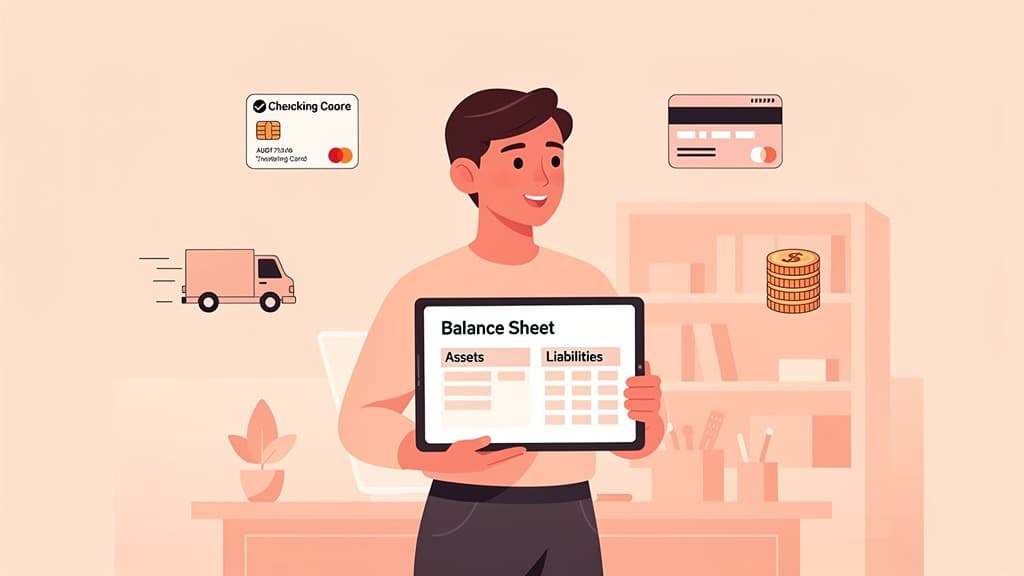
A balance sheet is a snapshot of what your business owns and owes. Learn how to read and build one in 2026, with a plain-English example and a free template.

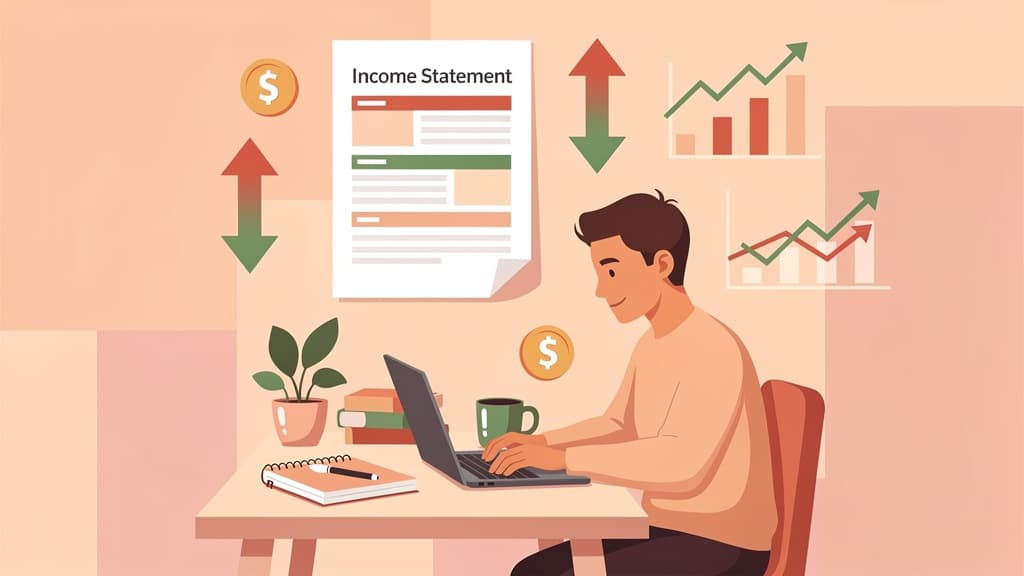
A profit and loss statement shows whether your business made money. Learn how to read and build a P&L in 2026, with a worked example and a free template.

Gross income vs net income explained for freelancers and LLC owners: how each is calculated, why it matters for taxes, and where AGI fits in.

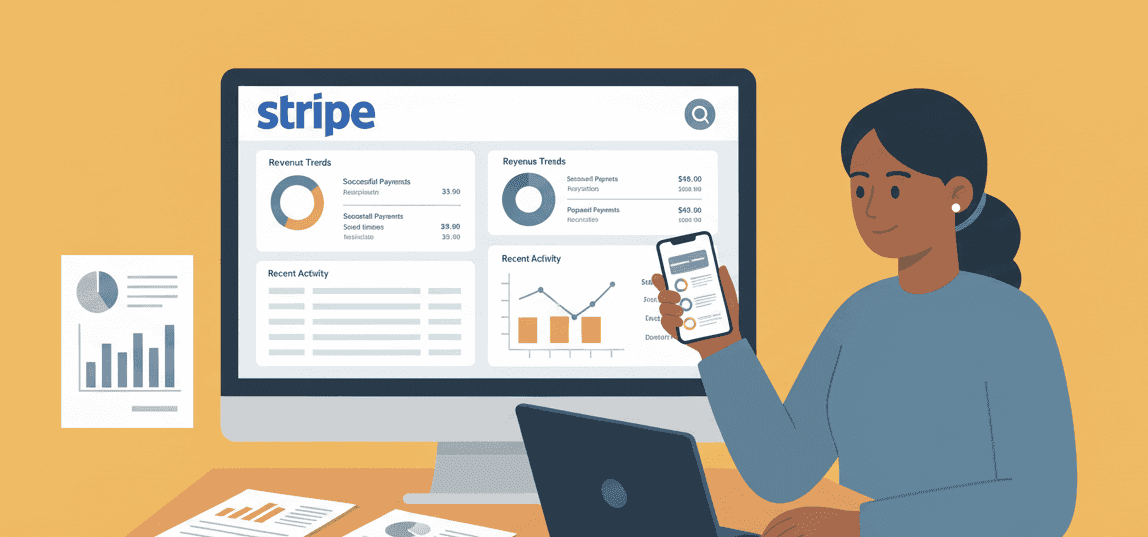
Record gross Stripe revenue, not net deposits, and recognize subscription income over the service period under ASC 606. Deferred revenue, fees, refunds, and the tax election, explained.

Learn how we saved $3,591 in taxes on a $14,457 conference by proper expense categorization. Jack Henry Connect data, IRS rules, and AI automation tips

Automated bookkeeping pulls transactions straight from your bank feed and categorizes them with rules and machine learning. Here is how each step works and what still needs a human.

ZenBusiness, LegalZoom, and Jupid all form an LLC for $0 plus state fees. The difference is after formation: who does your bookkeeping and files your taxes.

Step-by-step guide to opening a business bank account: documents by entity type, KYB verification, fees to compare, and why banks reject applications.
Join 1,000+ businesses using Jupid to save time and money. Start simplifying your finances today.
30-day money-back guarantee